For many small business owners, Linktree seems like a quick fix: a simple tool to consolidate your social media, website, and review links into one convenient bio link. It’s an easy, passive solution.
However, when it comes to your reputation, the most valuable asset in the AI economy, convenience can be financially disastrous.
Linktree is built for mere link aggregation. Its job is to redirect. RepOtz is built for reputation optimization. It’s a system designed to ask the right question at the right moment, and to engineer growth from the answers. When new customers are weighing your business, the fundamental difference between the two is everything.
1. The Core Difference: A System Engineered for Results vs. A Simple List
The difference between RepOtz and Linktree is the difference between a high-performance engine and a directory sign.
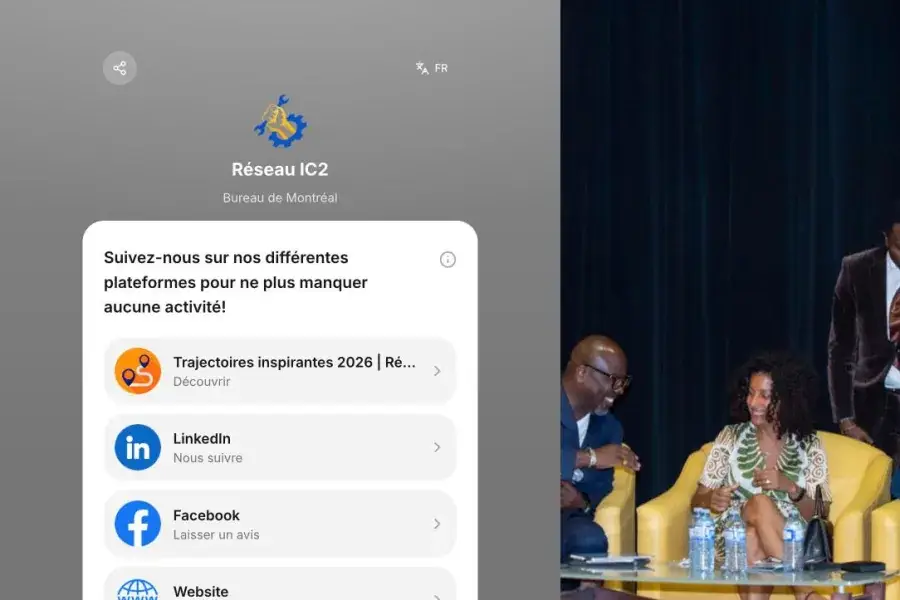
- Linktree: Serves as a static list. It gives the customer a selection of links (Website, Instagram, Google Review, etc.) and simply directs traffic. It has no intelligence about the customer’s mood, intent, or location. Its function ends at the click.
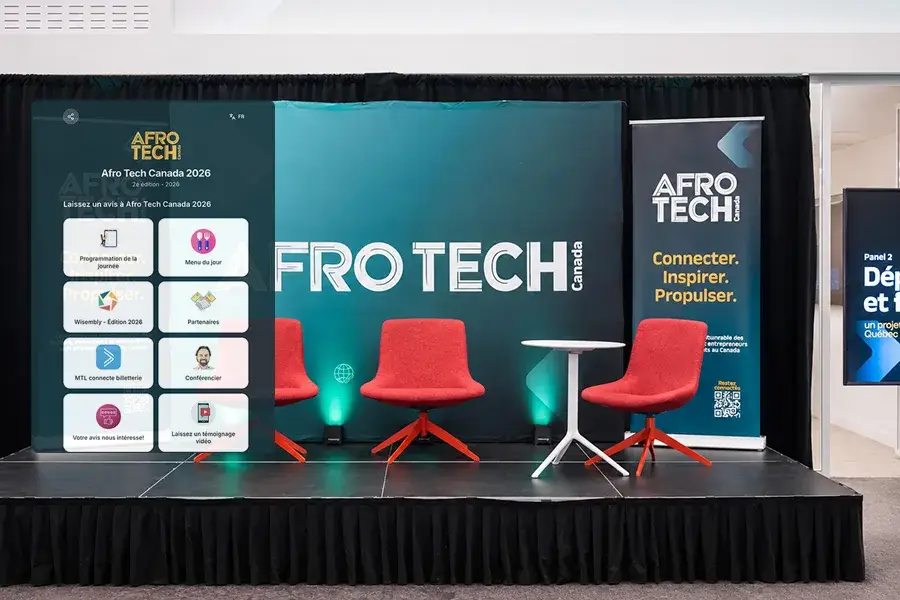
- RepOtz: Serves as a dynamic reputation system. It asks the customer how the experience was at the point of action, then lets them choose what to do about it: post a public review on the platform of their choice, or send a private message to the business. Both options are on the page every time.
2. The Reputation Roulette Trap: Why Convenience Costs Money
This is the single most important financial vulnerability Linktree creates for your business.
🔴 Linktree: It Asks Nothing
- Negative Feedback: NO CONVERSATION. Linktree is built to send all traffic directly to public review sites (Google, Yelp, Facebook). It is completely passive.
- The Outcome: This is Reputation Roulette. A customer who just had a slow checkout or received a product they disliked scans your bio link and gets a list of links, with no question asked. Either they post while still annoyed, or they leave and say nothing to anyone, and you never learn that the checkout is slow (as detailed in Reputation Roulette article).
🟢 RepOtz: It Asks First
- Negative Feedback: A REAL CHOICE. The RepOtz page asks how the experience was, then offers both routes on the same page: leave a public review, or send a private message to the business. When the answer is negative, the private message is offered first, because that is the fastest way to get the problem fixed. Nothing is blocked or hidden.
- The Outcome: When the customer chooses to write to you, you get an instant alert, you can contact them, fix the issue and win them back. They remain free to post publicly. Most unhappy customers would have said nothing at all, so the real gain is that you hear about the problem while you can still act on it. That conversation is what Linktree cannot give you.
3. Beyond the Bio Link: The AI-Ready SEO Advantage
In the AI economy, visibility and discovery are everything. Linktree provides almost zero SEO value for search engines or AI.
🔴 Linktree: Minimal Search Value & Shared Authority
- SEO Signal: Weak/Non-Existent. Google recognizes the authority of the linktr.ee domain, not yours. The page is designed for social media, not deep search indexing. It is essentially a redirect that passes minimal SEO value back to your main website.
- Indexing & Authority: Your comprehensive list of 35+ platforms remains scattered and difficult for search engines to fully index and map.
🟢 RepOtz: Powerful Search Indexing and Authority
- SEO Signal: POWERFUL SIGNAL. The platform page is built with full SEO by design and is created specifically to communicate trust signals to search engines.
- Indexing & Authority: RepOtz includes your unique platforms page directly in its sitemap (as discussed in The Secret SEO Signal blog post). This is a direct instruction to Google to crawl, index, and verify your total online presence across 35+ platforms much faster and clearer than any competitor. RepOtz turns your reputation into an active search asset.
4. Built for Business: Data, Scaling, and Trust
Serious business tools are built for control, consistency, and growth. Linktree is built for convenience.
🔴 Linktree: Static & Generic
- Trust & Domain: Linktree forces you to use their domain (linktr.ee/yourname). This lack of branding breaks the customer experience and often diminishes the perception of professionalism and security.
- Data: Provides basic click counts. It tells you how many people clicked a link, but offers zero insight into sentiment, campaign performance, or location-specific trends.
- Scaling: It is primarily a single-user, single-purpose tool, not designed for multi-location businesses or team oversight.
🟢 RepOtz: Dynamic, Analytical, and Professional
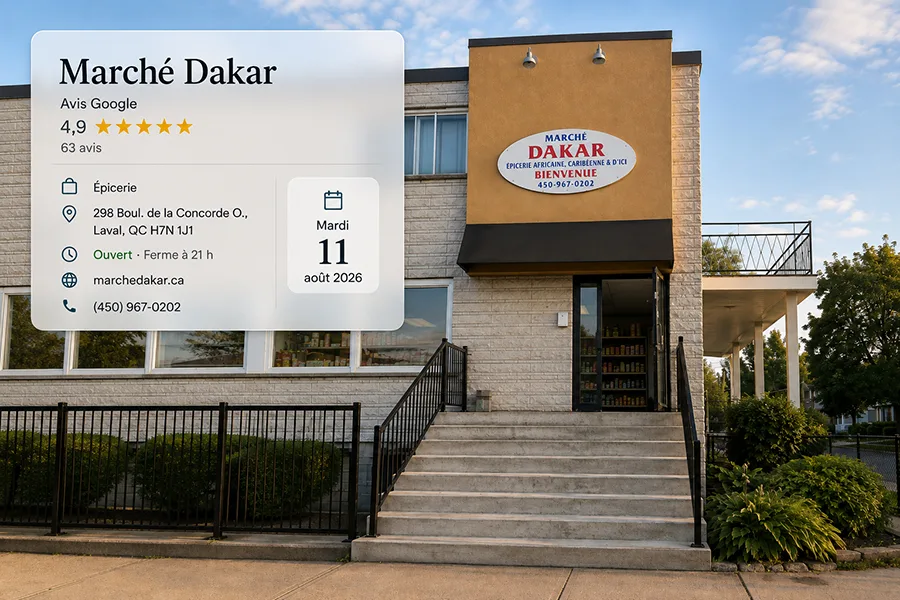
- Trust & Domain: Offers White-Label Brand Integration with a Custom Domain (e.g., feedback.yourbrand.com). This professional polish keeps the customer secure within your brand experience.
- Data: Provides Real-Time Sentiment & Campaign Analytics. You see exactly which QR code is performing best, who is unhappy, and why. This is essential data for operational improvement.
- Scaling: Includes Multi-Location & Team Control, allowing you to manage all stores and grant restricted manager access from a single, centralized account.
To be clear about what RepOtz does not do: we never filter reviews by rating, and we never decide who is allowed to post. Both paths, public review and private message, sit on the same page for every customer, whatever they answer. Screening customers by sentiment so the unhappy ones never reach a public review site is called review gating. It is against Google’s review policies and against FTC rules, and it is not how this product works.
Conclusion: Stop Using a Social Tool for a Business Problem
If you simply need a clean list of links, Linktree is fine. It is a quick tool for a casual audience.
But if you need a robust, intelligent system that can ask every customer at the right moment, leverage 35+ platforms for diverse authority, boost your SEO indexing, and provide actionable business intelligence, RepOtz is the only professional choice.
Don’t settle for a static list when you need a system that turns every customer experience into either a public review or a chance to fix something.